
Noise and Neighbours in Korea: Dealing With 층간소음
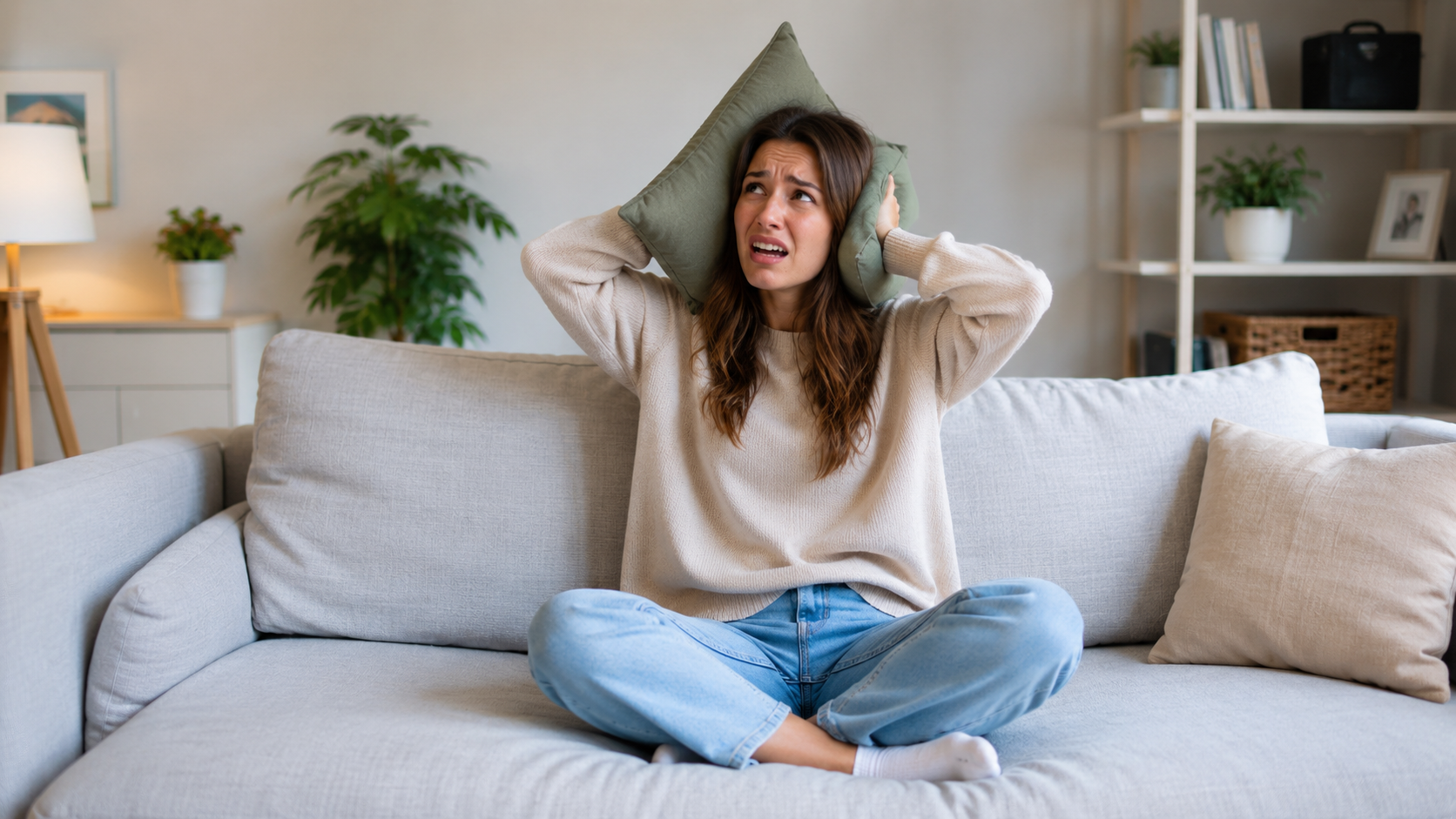
Floor noise — 층간소음 — is one of the most common sources of neighbour conflict in Korea, and it's serious enough that there's a national body dedicated to mediating it. Korean apartment buildings transmit sound between floors more than many newcomers expect, and disputes over it can escalate badly.
This guide covers what to do when you're on the receiving end, and — just as important for a foreign resident — how to avoid being the neighbour everyone's complaining about.
Why It's a Bigger Deal Than You'd Think
In many countries, some noise from neighbours is just accepted. In Korea, 층간소음 is treated as a genuine grievance, partly because of how apartments are built (concrete slab construction transmits impact noise efficiently) and partly cultural.
The result: noise disputes escalate more, and more formally, than newcomers expect. There's a government-affiliated Floor Noise Neighbour Centre (층간소음 이웃사이센터) specifically to mediate these, which tells you how seriously it's taken.
For a foreign resident, this cuts two ways. You have real recourse if you're suffering noise — but you also need to be careful not to become the source of complaints without realising it.
💡 Legal Noise Thresholds: Under Korean regulations, night-time noise (22:00 to 06:00) has much stricter standards (34 dB average for impact noise). Everyday activities like running a washing machine, using a vacuum cleaner, or playing heavy-bass audio after 10 PM directly violate community rules in almost all residential complexes.
If You're Being Kept Awake
The temptation is to go bang on the offending door. Don't — direct confrontation is exactly how 층간소음 disputes turn into serious, lasting conflict. The recommended approach is more indirect and more effective.
1. Go through the management office (관리사무소), not the neighbour directly. In Korean apartments, the accepted first step is to report the noise to the building management, who then relay it to the household. This keeps it impersonal and avoids a face-to-face confrontation that can spiral. Many buildings will make an announcement or contact the unit without naming you.
→ A Foreigner’s Guide to Korea’s Management Office (Gwanrisamuso) & Security Desk
2. Keep a record. Note when the noise happens, how long, what kind. If it becomes a formal matter, a log helps.
3. Use the Floor Noise Neighbour Centre. If it continues, the 층간소음 이웃사이센터 offers mediation — a neutral third party rather than you versus them. This is a real, free resource.
4. Never retaliate (No "Revenge Noise"): Banging on the ceiling or using ceiling-directed bass speakers (우퍼 스피커) is strictly illegal under Korean court precedents. Intentionally generating retaliatory noise can lead to fines, stalking charges (스토킹처벌법), and civil liability for damages.
⚠️ Direct confrontation and retaliation are the two things that turn a noise annoyance into a genuine dispute — sometimes a dangerous one. Korea has seen serious incidents grow from 층간소음 conflicts. Route it through the office and mediation, not the neighbour's door.
How Not to Be the Noisy One
This matters more for foreign residents than people realise. You may be making noise that's completely normal where you're from but reads as inconsiderate in a Korean apartment — and you might never know until a complaint arrives.
The main culprits:
- Footsteps and impact. Walking heavily, children running, jumping. Impact noise travels down through the slab intensely. Slippers and rugs help a lot.
- Dropping things, moving furniture. Dragging chairs, dropping weights, slamming doors.
- Late-night noise. Washing machines, vacuuming, loud TV or music after ~10pm and before ~8am is where most complaints originate.
- Bathroom noise at night. In some buildings, even this carries.
Habits that keep you in the clear:
- Wear indoor slippers, use rugs or mats in living areas, especially if you're above someone
- Avoid laundry, vacuuming, and loud activity late at night or early morning
- Put felt pads under chair and table legs
- Be mindful with guests — a gathering that feels modest to you can be a lot of footfall for the unit below
- If you get a complaint, take it seriously and adjust — a cooperative response defuses it; a dismissive one hardens it
💡 As a newcomer, err on the quiet side, particularly at night, until you have a feel for how much your building transmits. It's much easier to never become "the noisy foreigner" than to repair that reputation with neighbours later.
Other Neighbour Noise
층간소음 is the famous one, but not the only kind:
- Wall noise in villas and older buildings — thin walls between units
- Corridor and stairwell noise
- Construction/renovation — legally restricted to certain hours; if a neighbour's renovation runs outside permitted times, the management office can address it
The same principle applies throughout: route it through the management office rather than confronting directly, and keep a record if it persists.
Choosing a Quieter Place in the First Place
Some of this is decided before you move in. If noise sensitivity matters to you:
- Top floor means no one above you — no 층간소음 from upstairs (though it can mean more heat and roof noise)
- Newer buildings often have better sound insulation than older ones
- Concrete (RC) construction transmits less than lightweight construction
- On a viewing, ask about noise, and if you can, notice how much you hear from adjacent units
→ Apartment Viewing Checklist for Korea
The Short Version
층간소음 is taken seriously in Korea, so handle it the Korean way: if you're suffering, go through the management office and mediation, never the neighbour's door, and never retaliate. And because impact noise travels so well, be proactive about not being the source — slippers, rugs, no loud activity late at night, and a cooperative response if a complaint comes. For a foreign resident, avoiding the "noisy neighbour" label from the start is far easier than fixing it afterward.
Fitting into the rhythms of a Korean building is part of settling in well. CheckmateKorea helps foreign residents navigate life in their new home. Get Daily Life Assistance →