
Renting in Korea Without Korean: Why Most Foreigners Shouldn't Do It Alone
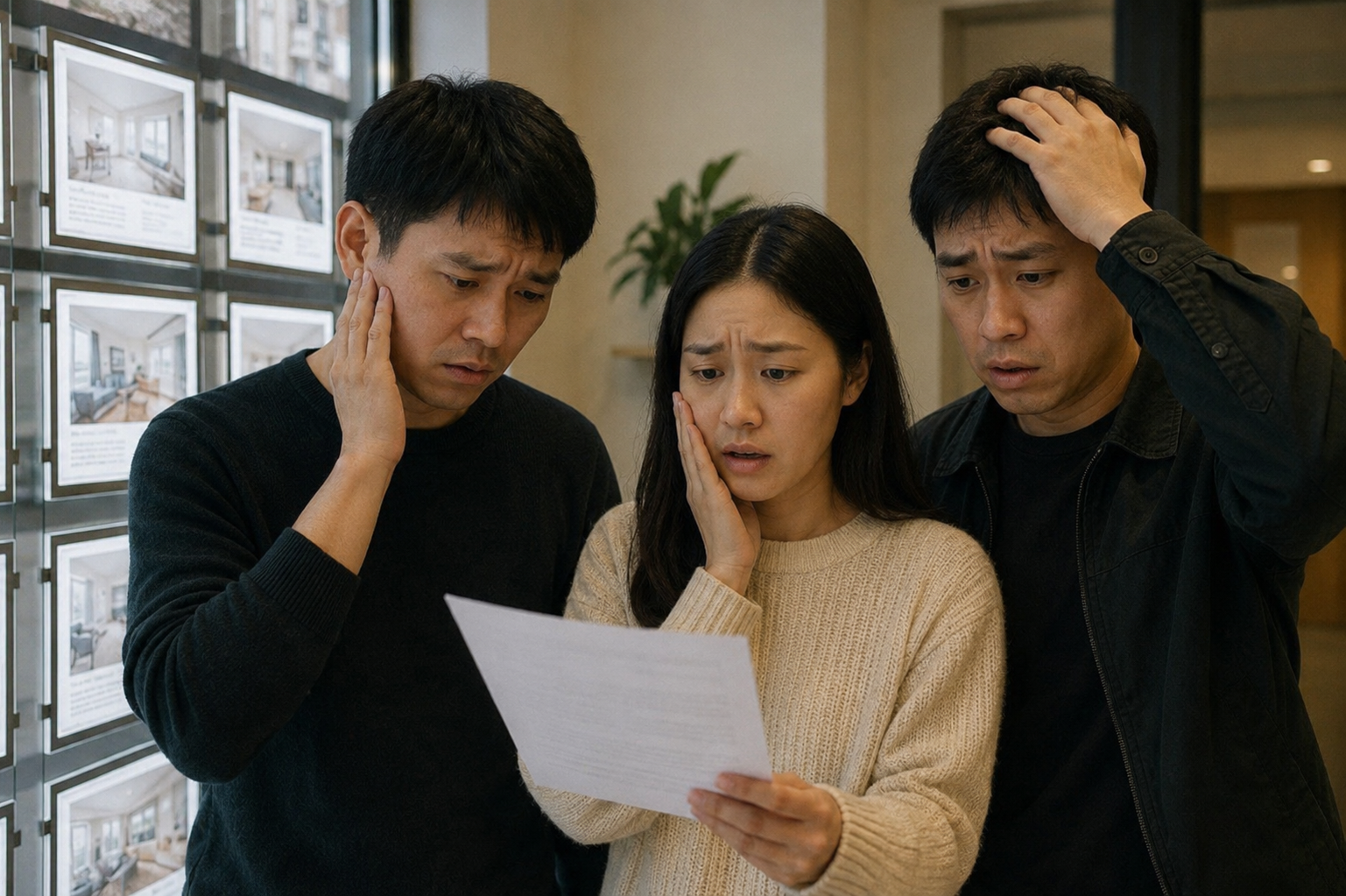
Finding a place to rent in Korea is hard enough. But the moment you walk into a real estate office, sit across from a landlord and agent who speak no English or other languages, and try to make sense of a Korean-language contract for a multi-million won deposit — that's when most foreign renters realize the search was the easy part.
What Actually Happens When You Go Alone
You've found a listing that looks good. You show up to view it. The agent is friendly, the room looks decent, and before you've had time to think too hard about it, they're telling you someone else is interested and you should decide today.
This is not unusual. Korean rental negotiations move fast — deliberately. Agents know that time pressure produces decisions. And for a foreign renter who can't read the contract, doesn't know what questions to ask, and isn't sure whether the terms being offered are standard or not, that pressure is even harder to push back against.
Here's what typically goes wrong when foreign renters go alone:
- You don't know what you don't know
The contract has 13 clauses. You nod along as the agent explains them in Korean. You sign. Three months later, you find out the maintenance fee covers almost nothing and you've been paying gas separately at double what you expected — because it was in the fine print of clause 6 that nobody walked you through.
- Verbal promises disappear
The landlord says they'll fix the boiler before you move in. You say thank you. Neither of you writes it down. The boiler is still broken when you arrive, and there's nothing in the contract to hold them to it.
- The deposit goes to the wrong place
Rental fraud in Korea most commonly happens at the transfer step. The account number looks right. You send the money. You find out later the person you contracted with wasn't the registered owner. Without someone checking the 등기부등본 against the account details before you transferred, there's no easy way back.
- You miss the post-move-in steps
Nobody tells you that signing the contract isn't enough to protect your deposit. You need to complete 체류지변경신고 and get 확정일자 within 14 days. Miss these, and the deposit you just paid has no legal protection.
Why the Language Gap Is Bigger Than It Looks
Translation apps help with menus and subway signs. They don't help when you're trying to understand what "임대인의 귀책사유로 인한 계약 해지 시 계약금 배액 배상" means for your deposit if the landlord backs out.
Korean rental contracts are written in legal Korean. The standard form has 13 clauses covering deposit return conditions, maintenance responsibilities, early termination rights, and repair obligations. Each one has practical implications that affect your money and your rights as a tenant.
Beyond the contract, there's the negotiation. Knowing what's negotiable (the rent, the maintenance fee breakdown, pre-move-in repairs), what's standard, and what's a red flag requires experience with the Korean rental market — not just Korean language ability.
What Having Someone With You Actually Changes
The difference isn't just translation. It's knowing what to look for, what to ask, and what to insist on.
- At the viewing:
Someone who knows the market can tell you whether the maintenance fee is reasonable for the building, whether the noise level at 11am is going to be worse at 11pm, whether the mold in the corner is a one-time issue or a structural problem, and whether the agent's claim that "another person is deciding today" is true or a standard pressure tactic.
- At the contract:
Someone reviewing the contract with you can flag unusual clauses in the special agreements section (특약사항), make sure verbal promises get written in, and confirm that the deposit account matches the registered owner before you transfer anything.
- After you move in:
Someone who knows the post-move-in steps can make sure you complete 체류지변경신고 and 확정일자 on time — the two registrations that actually protect your deposit under Korean law.
None of this requires you to be fluent in Korean. It requires having the right person with you.
CheckmateKorea's Accompanied Housing Search (동행 집구하기)
CheckmateKorea pairs you with a housing specialist who accompanies you through the in-person parts of finding and signing a lease — viewings, contract review, and signing.
What's included:
- Finding certified agents with listings that match your conditions (area, budget, room type) and booking viewings on your behalf
- In-person accompanied viewings of shortlisted properties
- Honest on-site assessment — condition, noise, maintenance fee, neighborhood
- Contract review before signing — every clause explained
- Deposit transfer verification before money moves
- Guidance on 체류지변경신고 and 확정일자 after move-in
Available in English, for foreign residents renting in Seoul.
Start your accompanied housing search →
CheckmateKorea's Contract Accompaniment Service (계약 동행)
Already found a place, but worried about signing alone? CheckmateKorea's contract accompaniment service focuses specifically on the signing stage — without the full property search.
What's included:
- Pre-signing contract review: every clause explained in English before you sign
- On-site accompaniment at the signing with the agent and landlord
- Verification that the deposit account matches the registered property owner
- Confirmation that verbal agreements are written into the contract
- Post-signing guidance: 체류지변경신고 and 확정일자 steps
This is for renters who've already found their place but want someone in their corner at the table — making sure nothing important is missed and the money goes where it should.