
What to Prepare on Contract Day in Korea: A Checklist for Foreign Renters
Contract day in Korea moves fast. You'll meet the landlord and agent, hand over a significant sum of money, and sign a document in Korean — often within an hour. Being prepared beforehand makes the difference between a smooth process and a stressful one.
This guide covers exactly what to bring, what to pay, and what to check before you leave.
What to Bring on Contract Day
Passport
Your passport is your primary form of identification for the contract. Bring the original — a photo or copy is not sufficient for signing.
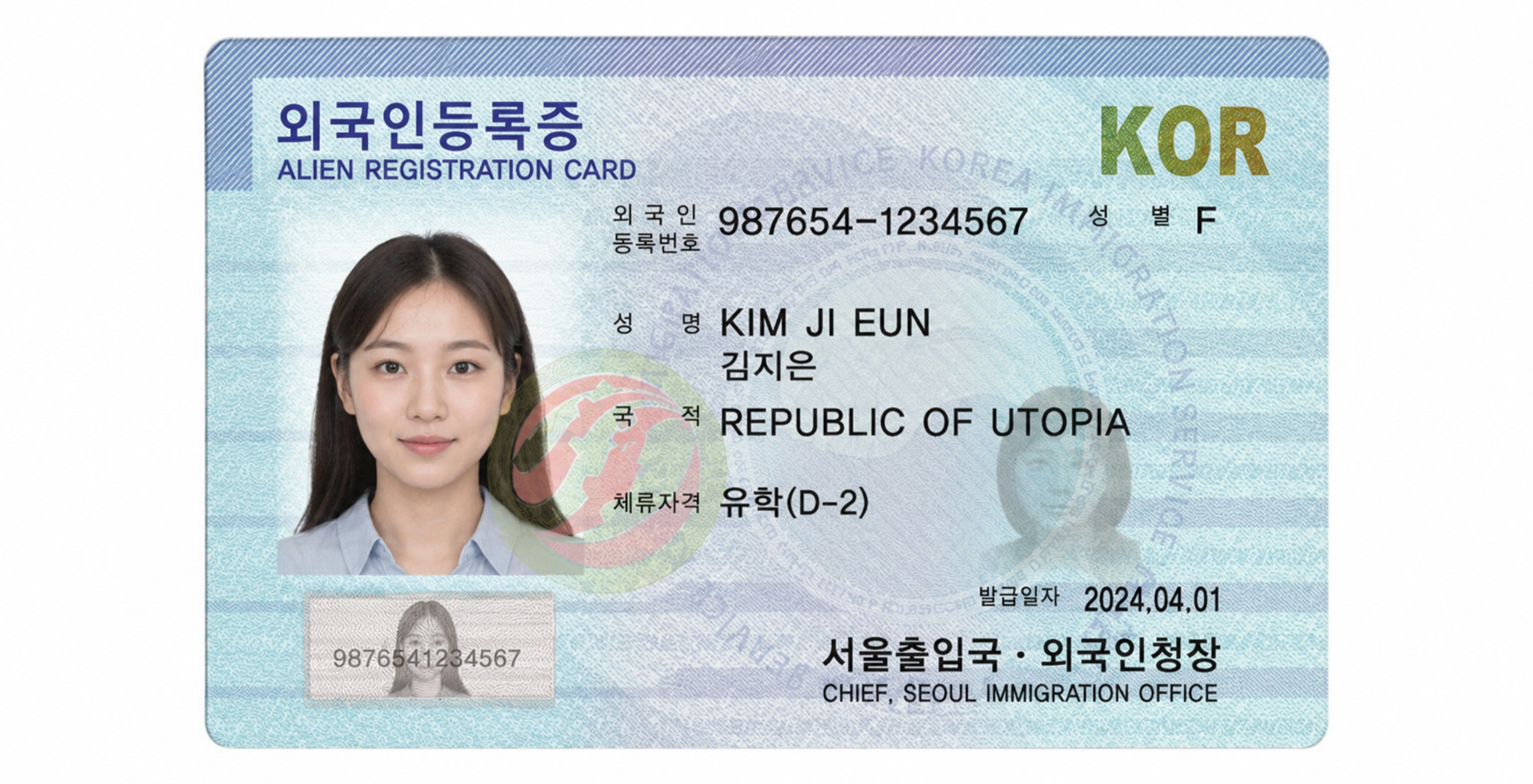
Alien Registration Card (ARC)
If you already have your ARC, bring it. Your ARC number will be recorded in the contract as your identification.
If you don't have your ARC yet — for example, if you've just arrived and haven't registered — your passport alone is sufficient for signing. Just be aware that you'll need to obtain your ARC and complete 체류지변경신고 after moving in to legally protect your deposit.
Personal Seal or Signature
Korean contracts traditionally use a personal seal (도장/인감). As a foreigner, a signature is generally accepted in place of a seal.
What You'll Be Paying on Contract Day

The Balance (잔금)
Contract day is typically when you pay the balance (잔금) — the remaining deposit after the down payment you already made at the time of signing the initial agreement. In many studio rental cases, the down payment and balance are paid on the same day, so you may be transferring the full deposit at once.
How payment works in Korea:
- Bank transfer (계좌이체) — The standard method. Transfer directly to the landlord's account on the day.
- International wire transfer — If you're transferring from an overseas account, arrange this in advance. International transfers can take 1–3 business days to clear, so coordinate with your agent on timing.
- Cash — Less common for larger amounts, but occasionally used for smaller deposits. If paying cash, request a written receipt immediately.
⚠️ Before transferring anything, confirm the recipient account name matches the landlord's name on the 등기부등본 (property registry). Your agent should have provided this. If the names don't match, stop and ask why before sending.
First Month's Rent
In most cases, the first month's rent is also due on or around contract day — either on the day you take the keys, or from the official move-in date stated in the contract. Confirm the exact date and amount with your agent.
What to Check Before Signing
Your agent will walk you through the contract, but there are a few things worth checking yourself:
Confirm the address matches what you viewed
The unit address, floor, and room number in the contract should exactly match the property you're renting. Even a small discrepancy can create problems later.
Check the deposit and rent figures
Verify that the 보증금 (deposit), 차임 (monthly rent), and 관리비 (maintenance fee) figures in the contract match what was verbally agreed. Check the payment dates too — the date your rent is due each month should be written clearly.
Check the lease start and end dates
Confirm the 임대차기간 section shows the correct move-in date and contract end date. If you negotiated a specific lease length, verify it's accurately reflected here.
Read the special agreements section (특약사항)
This is where anything outside the standard form gets added — pet policies, furniture arrangements, repair commitments, or early termination conditions. If there's anything in this section you don't understand, ask your agent to explain it before signing.
→ Korean Rental Contract Explained: 13 Clauses Every Foreign Renter Must Understand
What to Do When You Get the Keys
Photograph Everything — Before You Unpack
Before bringing in a single bag, do a full walkthrough of the unit with your phone camera. Document:
- Every wall — marks, holes, stains, peeling paint
- Floors — scratches, damaged tiles, stains
- Appliances — condition of the washing machine, air conditioner, refrigerator, boiler
- Bathroom and kitchen — signs of damp, mold, or existing damage
- Windows and doors — cracks, broken locks, gaps
Why this matters: At move-out, the landlord can claim deductions for any damage they find. If you don't have photographic proof that the damage was already there when you arrived, you have no way to dispute it. This is one of the most common sources of deposit disputes for foreign renters.
Share the photos with your landlord or agent on the day — via KakaoTalk message or email — so there's a timestamped record that both parties have seen the unit's condition at move-in.
Quick Checklist
Bring:
- ✅ Passport (original)
- ✅ ARC (if you have it)
- ✅ Funds for balance payment + first month's rent
- ✅ Bank account details (for incoming deposit return at end of lease)
Check before signing:
- ✅ Address and unit number match the property you viewed
- ✅ Deposit, rent, and maintenance fee figures are correct
- ✅ Lease start and end dates are accurate
- ✅ Special agreements section — understand every clause
- ✅ Recipient bank account matches the landlord's name on 등기부등본
On move-in day:
- ✅ Photograph every room before unpacking
- ✅ Share photos with landlord/agent via timestamped message
- ✅ Confirm the boiler, water, and appliances are working
After You Move In — The Next Step
Once you have the keys, there's one more critical step: completing 체류지변경신고 (change of residence registration) and obtaining 확정일자 on your lease. These two steps legally protect your deposit — and they need to be done within 14 days of moving in.
→ [LINK: F-1] 입주 후 체류지변경신고·확정일자 받는 방법 보기
If you're not sure about any part of the contract process — or want someone to review the contract in Korean before you sign — CheckmateKorea handles contract review and the signing process in English.