
Seongsu: Seoul's Trendiest Neighborhood — A Guide for Foreign Residents
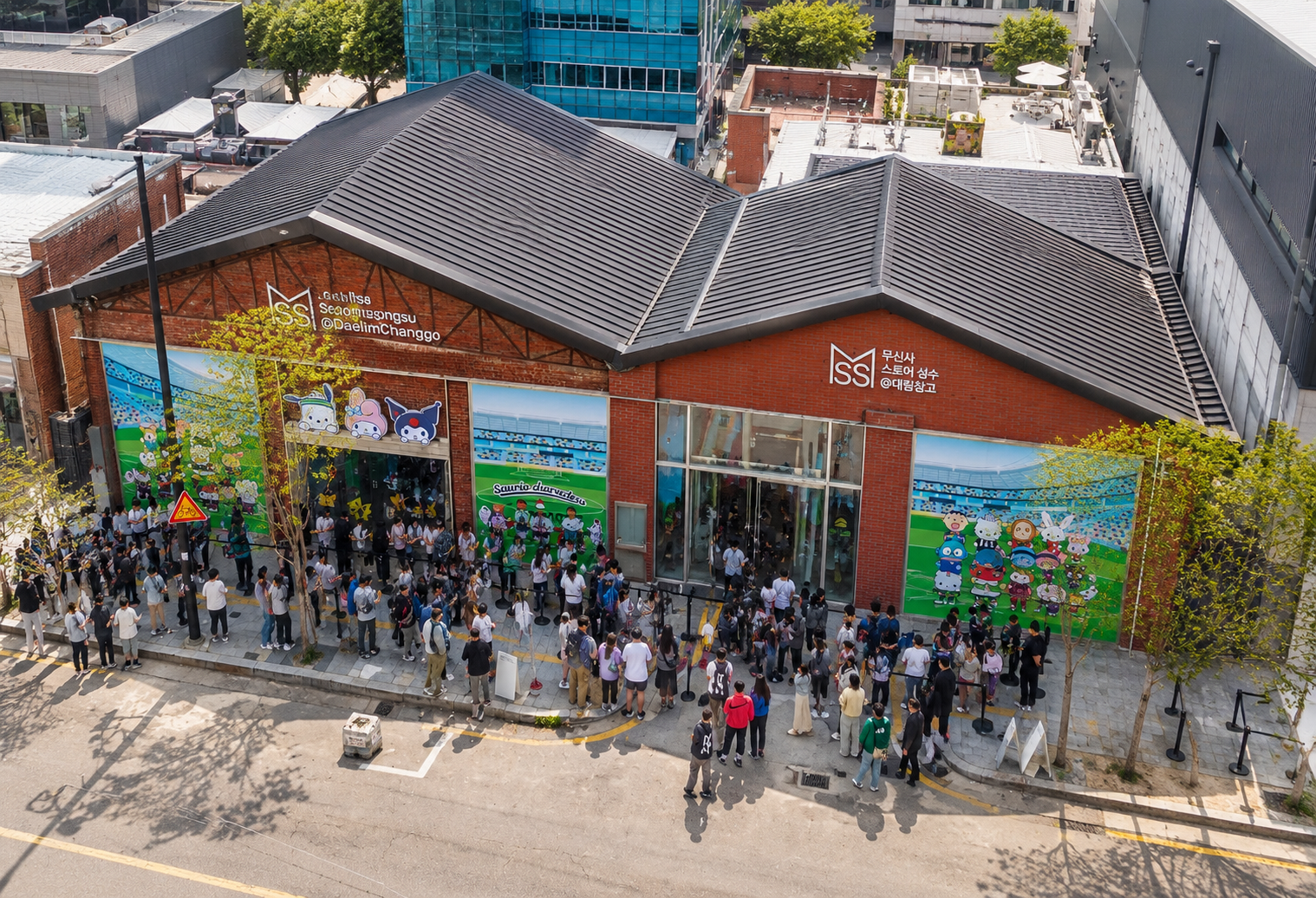
Seongsu-dong (성수동) has become one of the most talked-about neighborhoods in Seoul — and possibly in all of Asia.
What started as a shoe manufacturing district in the 1970s has evolved into Seoul's creative hub: converted warehouse cafes, K-beauty flagships, indie fashion boutiques, and a pop-up culture unlike anywhere else in the city.
If you're thinking of living near Seongsu, or just want to understand why everyone keeps talking about it, this guide covers what the area is actually like — the streets, the transport, the cafes, and what it costs to live here.
Where Is Seongsu? How to Get There
Seongsu-dong is located in Seongdong-gu, eastern Seoul, on the north bank of the Han River. The main station is Seongsu Station (성수역) on Subway Line 2. Exit 3 or 4 puts you directly into the main café and shopping area. Ttukseom Station (also Line 2) is walkable from the Han River Park side of the neighborhood.
| Destination | Travel time | Route |
|---|---|---|
| Gangnam (강남) | ~15 min | Line 2 |
| Hongdae (홍대) | ~25 min | Line 2 |
| City Hall / Downtown | ~20 min | Line 2 |
| Konkuk University Station | ~3 min | Line 2 |
| Dongdaemun | ~15 min | Line 2 |
| Incheon Airport | ~60–75 min | Line 2 → AREX at Hongdae or Seoul Station |
💡 Which exit for Seongsu? Exit 3 or 4 for the main café and shopping area (Yeonmujang-gil, Seongsu-ee-ro). Exit 1 for the quieter residential streets. Ttukseom Station (one stop east) is better for Seoul Forest and the Han River park entrance.
What Is Seongsu Like?
Seongsu is often called the "Brooklyn of Seoul" — and the comparison holds. Former shoe factories and industrial warehouses have been converted into some of the most distinctive cafes, galleries, and retail spaces in the city. Young creatives started moving into Seongsu-dong around 2011, drawn by low rents and good subway access, and old shoe factories became galleries, cafes, and concept stores. Since then the neighborhood has evolved rapidly, attracting luxury brands and K-beauty flagships while still retaining the industrial bones that made it interesting in the first place.
- ☕ Best café culture in Seoul — converted warehouse interiors
- 🛍️ K-beauty flagships, pop-up stores, indie fashion
- 🚇 Line 2 — direct to Gangnam, Hongdae, City Hall
- 🌳 Seoul Forest and Ttukseom Han River Park nearby
- 🎨 Creative, international atmosphere
- 📸 Street art, architecture, photogenic spaces throughout
- 💸 Rents rising — no longer the cheapest area in eastern Seoul
- 👥 Crowded on weekends — especially around pop-up events
- 🏫 Not a campus area — further from universities than Konkuk or Anam
- 🌃 Less nightlife than Hongdae — quieter after 10pm
Seongsu Cafes & Street
The café scene in Seongsu is what put it on the map — and it's still the main reason people come. Most of the landmark cafes are housed in converted industrial buildings along Yeonmujang-gil (연무장길) and the surrounding alleys. Cafe Onion Seongsu — in a gutted 1970s factory building with a rooftop — is probably the most photographed. The streets around Seongsu-ee-ro (성수이로) are where the pop-up stores and flagship brands concentrate, with the lineup changing regularly. It's worth wandering the back alleys too — the street art from Pow!Wow! murals is spread through the quieter streets further from the main drag.
Seongsu Shopping
Seongsu has become one of the most concentrated fashion and beauty retail destinations in Seoul. In 2022, luxury brand DIOR opened its glass-structured 'DIOR Seongsu' store, and the neighborhood was ranked the World's Fourth-Coolest Neighbourhood by Time Out in 2024. Key shopping destinations include:
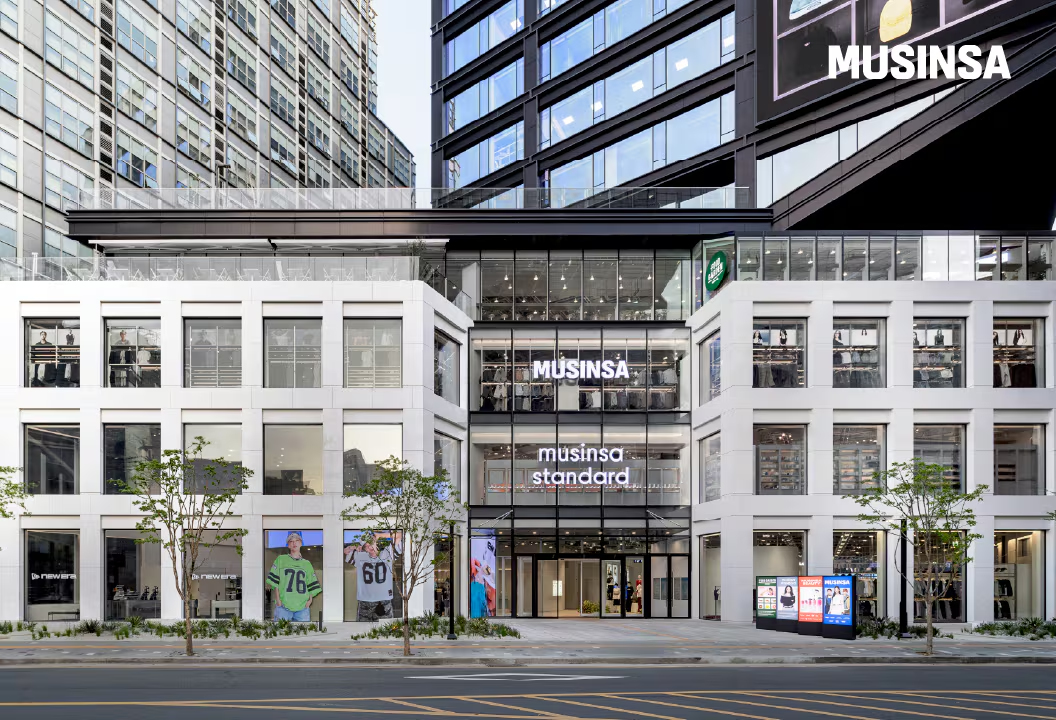
- MUSINSA Megastore Seongsu 5-floor, 6,600sqm fashion complex opened April 2026. Korean streetwear, basics, sneakers.
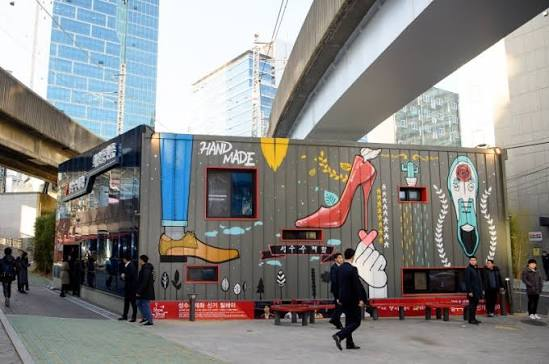
- Seongsu Shoe Street (성수동 수제화거리) Handmade leather shoes from craftsmen continuing the area's original trade. Bespoke shoes from approximately ₩150,000–₩300,000.
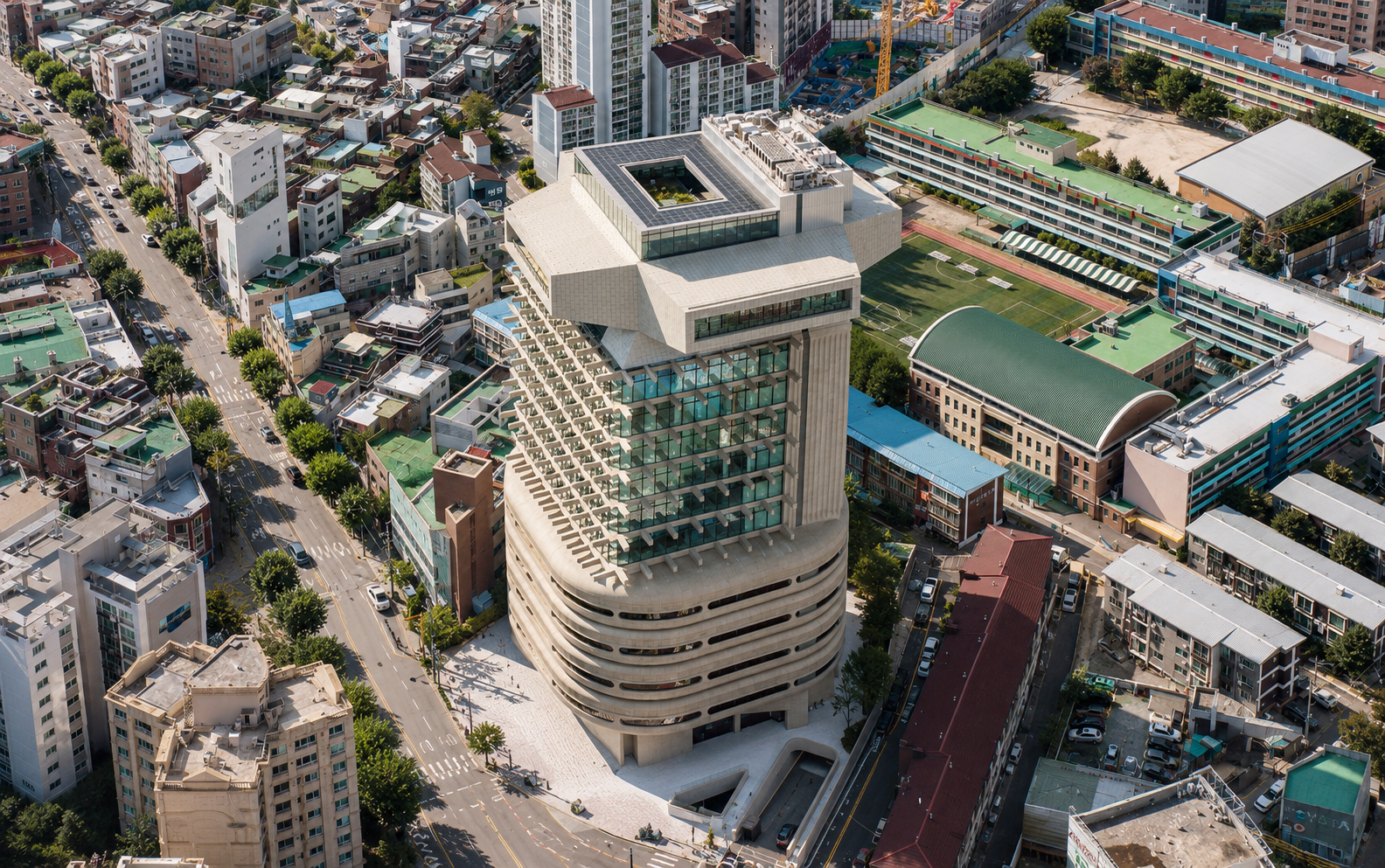
- HAUS NOWHERE SEOUL 14-floor concept building housing Gentle Monster, Tamburins, Nudake and more.
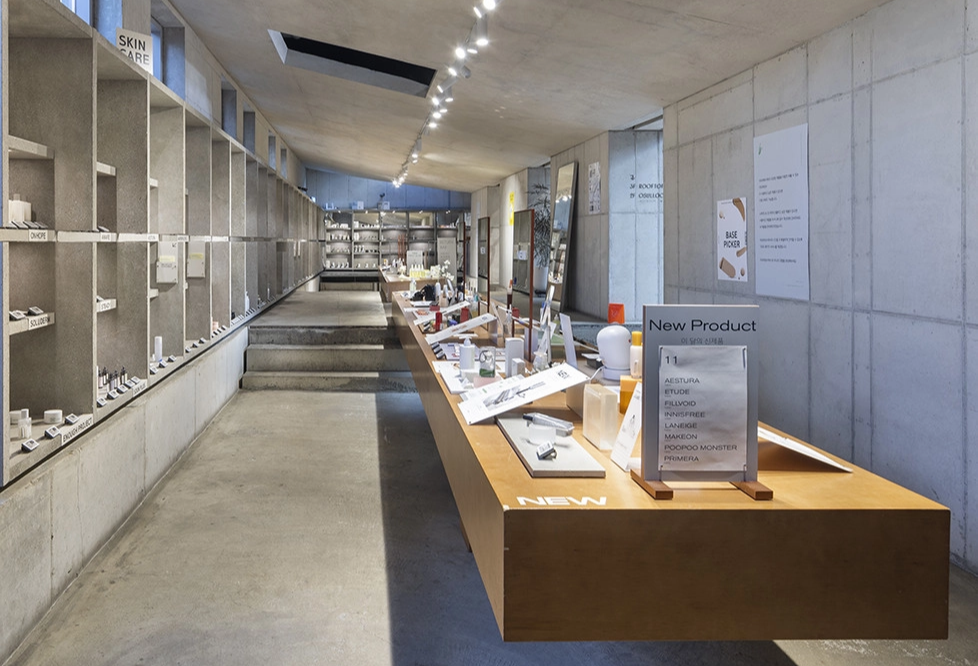
- Amore Seongsu K-beauty showroom with free samples. Highlighted by Korea Tourism Organization.
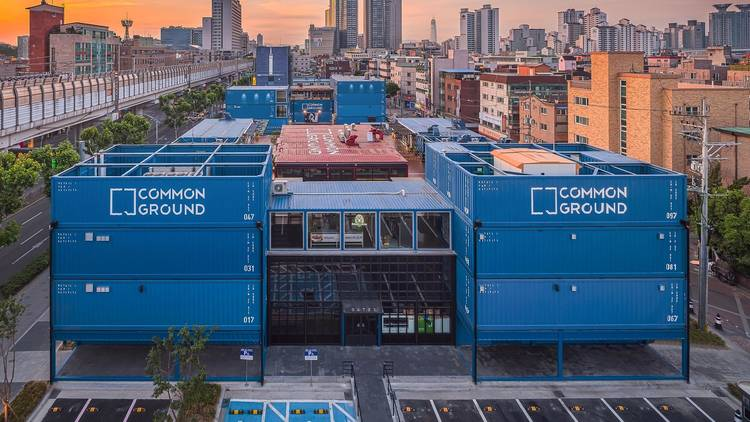
- Common Ground Pop-up mall built from 200 blue shipping containers. Fashion, food, and independent brands.
💡 Seongsu Station was officially renamed Seongsu (MUSINSA) Station in December 2025 as part of a 3-year co-naming rights deal — which tells you everything about how dominant the brand's presence in the neighborhood has become.
Seoul Forest & Outdoor Spaces
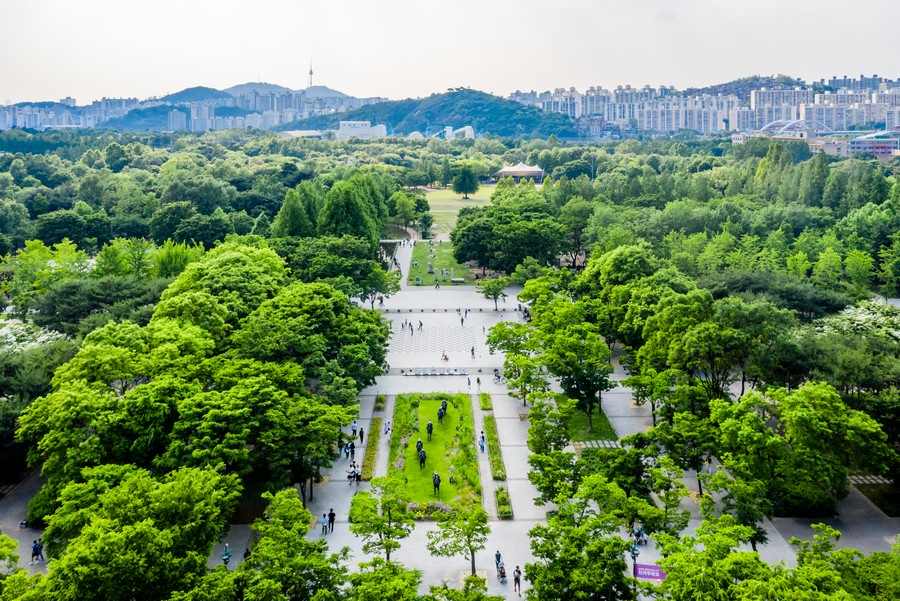
Seoul Forest (서울숲) is one of the largest parks in the city and sits at the eastern edge of Seongsu-dong. Walking trails, cycling paths, a rose garden, and a butterfly pavilion make it a popular escape on weekends.
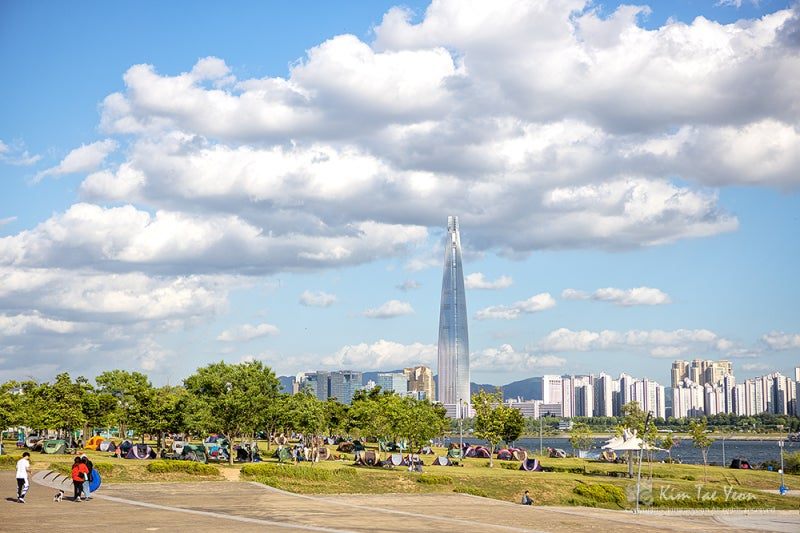
Ttukseom Hangang Park accessible from Ttukseom Station — extends along the Han River with riverside cycling, picnic areas, and sunset views. Both are within a 10–20 minute walk of Seongsu Station.
Living in Seongsu — Housing Prices
Seongsu was once one of the more affordable areas in eastern Seoul. Rents have risen significantly over the past few years as the neighborhood's profile has grown, though it remains cheaper than Gangnam or Sinchon.
| Room type | Monthly rent (approx.) | Notes |
|---|---|---|
| One-room (원룸) | ₩600,000 – ₩900,000 | Varies widely by building age and proximity to station |
| Officetel (오피스텔) | ₩800,000 – ₩1,200,000 | Newer buildings near the main commercial strip |
| Goshiwon (고시원) | ₩400,000 – ₩600,000 | Available in quieter residential alleys |
※ Deposit typically ₩5–20 mil. 2025 market estimates. Seongsu-dong 2(i)-ga (성수동2가) tends to have slightly more affordable options than the main Seongsu-dong 1(il)-ga strip.
For students at nearby Konkuk or Sejong University, Seongsu is genuinely convenient — just one or two stops on Line 2 — while offering a lifestyle and atmosphere that's very different from a typical campus neighborhood. It's a good option for students who want to be in a creative, international part of the city and don't mind paying a bit more for the location.
Looking for a room in Seongsu? Browse verified, foreigner-friendly listings on CheckmateKorea. Browse Rooms in Seongsu →